What should my dog look like? Use body condition, not a breed-photo comparison.
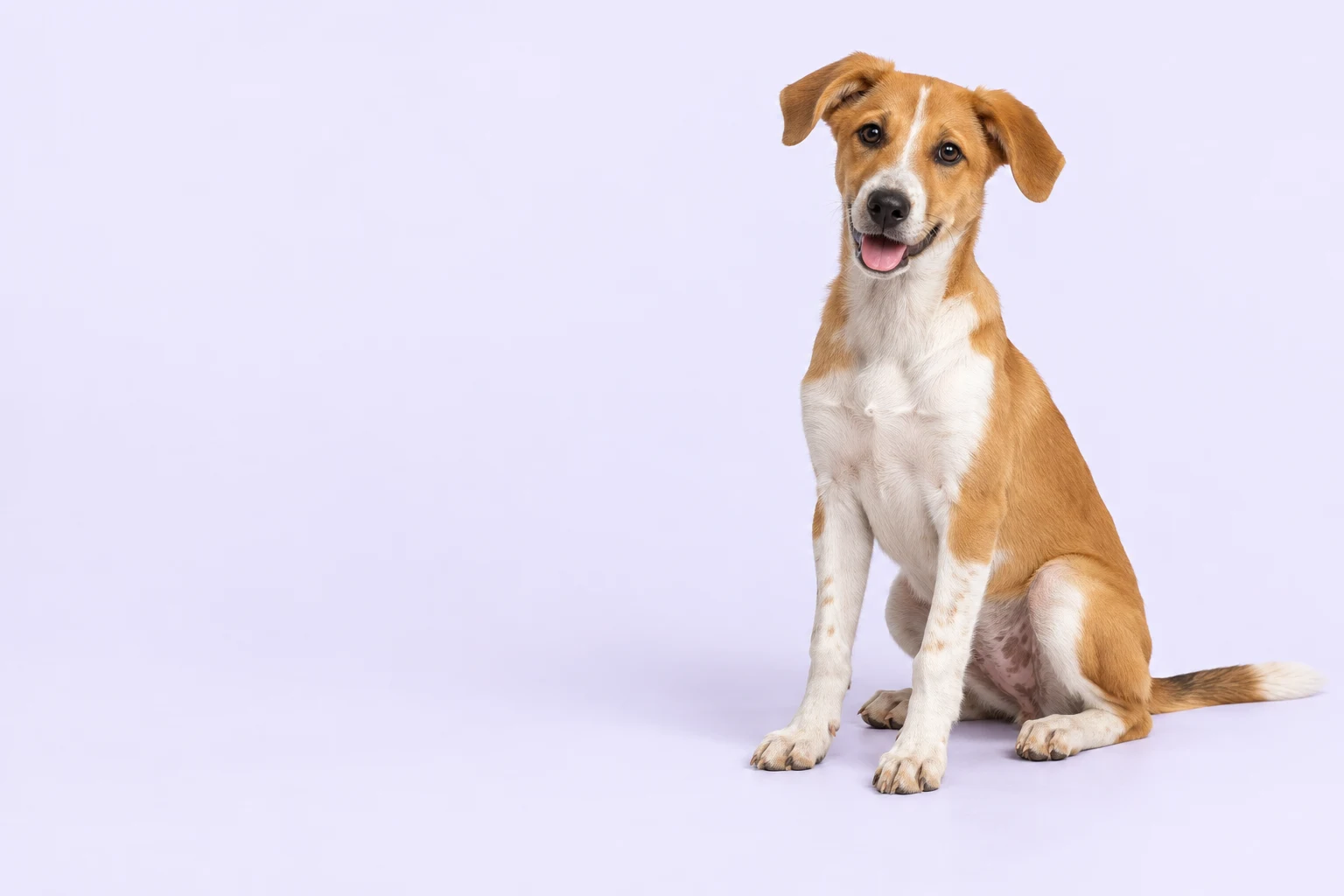
A social-media photograph is a poor target for your dog’s body. A long coat can hide shape, and a single number on a scale does not describe body condition.
Ask the vet to show you on your dog
Body-condition assessment considers features such as how ribs feel and the waist, alongside the individual animal. Ask a veterinarian to demonstrate the checks on your dog rather than deciding from a picture alone. [1]
Use the same record each time
Save dated weights and notes in one place. If you take reference photos, keep the angle and distance consistent and do not force a painful animal into position. These records are for a veterinary discussion, not an automated diagnosis.
Use the original clinical chart
WSAVA provides body-condition resources for veterinary teams and owners. Open the linked toolkit with your vet. We link the institutional resource rather than reproducing a chart or suggesting that Anist has medically assessed your dog. [2]
Turn the review into an action list
Ask what range is appropriate, whether food or activity should change, and when to reassess. Write down who will measure meals and log treats. If your dog is still growing, mention that before following an adult weight-loss suggestion. [1]
Sources & reading
- [1] UC Davis Veterinary Medical Teaching Hospital · nutrition FAQs
- [2] World Small Animal Veterinary Association · nutrition assessment toolkit
Editorial check: 12 October 2026. This guide is general education, not an individual diagnosis or a substitute for veterinary advice. The cited institutions have not endorsed Anist or clinically reviewed this guide. Original household checklists are Anist editorial suggestions.
Keep the basics together.
Create a private pet profile with an Anist ID. It does not replace your vet's records or guarantee access to a service.
Create my pet profile