A six-month-old kitten: what food, how many meals, and how much?
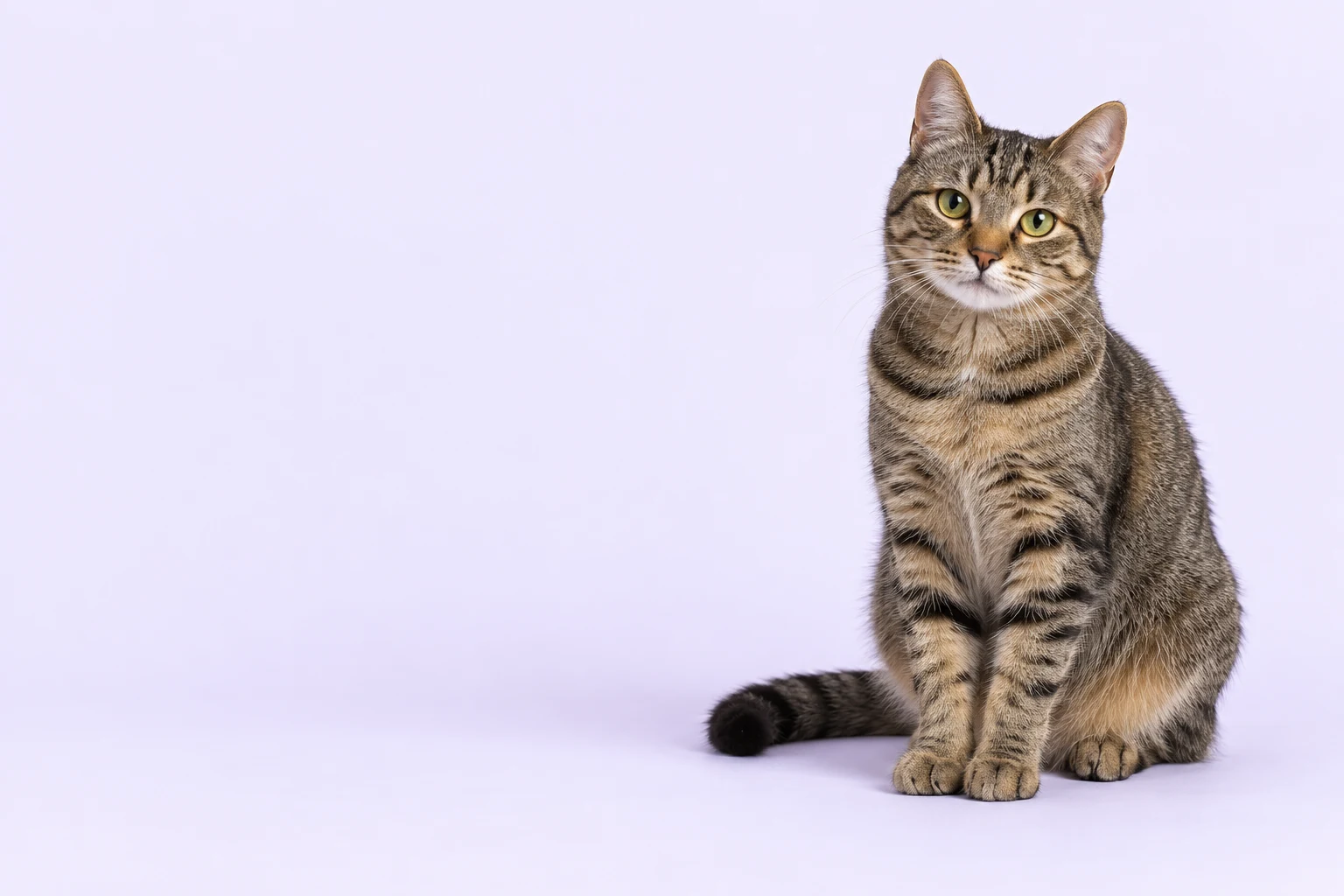
Six months is a useful point to review a kitten’s routine. Bring the food label, recent weight and feeding notes to the vet, including anything the kitten receives outside regular meals.
Check that the diet is for growth
Use complete, balanced food appropriate to a kitten’s life stage. A complementary treat or topper is not the same as a complete daily food. Ask the manufacturer or vet if the adequacy statement is unclear. [1]
Choose a meal schedule you can repeat
Cornell describes twice-daily feeding as a general pattern from six months to one year. Age, health and the individual cat still matter. Confirm the schedule and total allowance with your vet; divide that amount instead of using two unrelated full servings. [2]
Write the wet-and-dry plan separately
If both types are used, note the daily amount of each as agreed. Keep food names and pack sizes on the feeding card. Before someone adds an extra pouch because it looks small, check whether that pouch was already included in the allowance.
Plan the next review
Ask when to revisit portions after growth or neutering, and what signs mean the plan needs attention sooner. Save the answer with a date. The divider below only does arithmetic on the amount you enter; it does not work out your kitten’s nutritional needs. [3]
Sources & reading
- [1] Cornell University College of Veterinary Medicine · feeding your cat
- [2] Cornell University College of Veterinary Medicine · how often to feed a cat
- [3] Virginia Tech Veterinary Teaching Hospital · nutrition service
Editorial check: 12 October 2026. This guide is general education, not an individual diagnosis or a substitute for veterinary advice. The cited institutions have not endorsed Anist or clinically reviewed this guide. Original household checklists are Anist editorial suggestions.
Keep the basics together.
Create a private pet profile with an Anist ID. It does not replace your vet's records or guarantee access to a service.
Create my pet profile