What should my six-month-old puppy eat? Start with a growth plan, not a fixed bowl size.
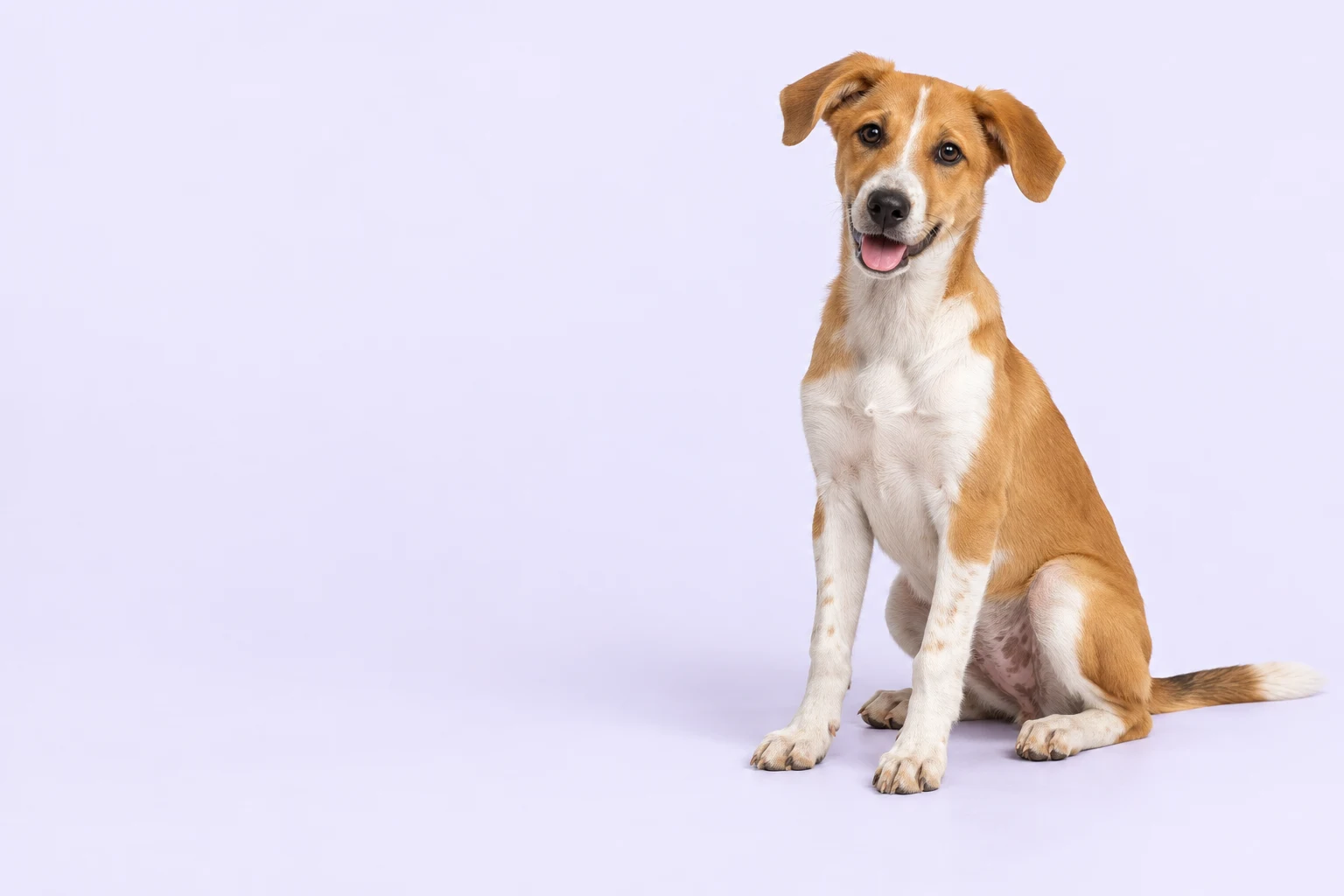
At six months, two puppies can need very different portions. An Indie pup and a giant-breed puppy are not the same feeding case. Age helps you frame the question; it cannot tell you a universal number of grams.
Growth food still matters
Choose a complete, balanced growth diet. Large or giant breeds need food appropriate for their growth pattern. Do not add calcium or vitamin supplements to a complete diet unless your vet recommends them. [1]
Make one daily allowance visible
Take the daily amount agreed with your vet, or the package starting amount your vet has checked, and write it in grams. Put that amount in one labelled container. Everyone who feeds the puppy uses that container rather than adding another bowl. Save the food name and date alongside it.
Divide meals around your own puppy
Merck describes two meals daily as a general pattern for puppies aged six to twelve months, with more frequent feeding sometimes needed for small breeds. Ask your vet what suits your puppy; use the divider below only after the daily amount and meal count have been chosen. [1]
Ask for a growth review, not just a target weight
Take recent weights, food packaging and the feeding log to the appointment. Ask when to recheck growth, what changes would justify adjusting the amount, and when this specific dog should move to adult food. Avoid changing food, amount and supplements all at once without a clear plan. [2]
Sources & reading
- [1] Merck Veterinary Manual · feeding practices, authored by a University of Georgia nutrition specialist
- [2] World Small Animal Veterinary Association · nutrition assessment toolkit
Editorial check: 12 October 2026. This guide is general education, not an individual diagnosis or a substitute for veterinary advice. The cited institutions have not endorsed Anist or clinically reviewed this guide. Original household checklists are Anist editorial suggestions.
Keep the basics together.
Create a private pet profile with an Anist ID. It does not replace your vet's records or guarantee access to a service.
Create my pet profile